
5 Essential Questions to Ask About Memorial Gravestones
Selecting a permanent tribute for a loved one is a deeply personal journey that requires careful consideration of legacy and artistry. The process of choosing a monument often comes during a time of significant emotional transition, making it essential to approach the decision with a clear understanding of the available options. Many families find comfort in the act of creating a lasting physical presence that honors the history and personality of the deceased. This memorial serves not only as a marker of a life lived but also as a sanctuary for future generations to visit and reflect upon their heritage.
The evolution of the funeral industry has introduced a wide variety of ways to commemorate those who have passed away. While traditions change over time, the fundamental human desire for a dedicated space of remembrance remains constant. Navigating the logistical and aesthetic choices involved in this process can feel overwhelming without the right guidance. By asking specific questions regarding materials, regulations, and design possibilities, you can ensure that the final tribute is both durable and meaningful. This guide explores the critical inquiries necessary to navigate the selection of memorial gravestones with confidence and grace.
1. What Materials Offer the Greatest Longevity?
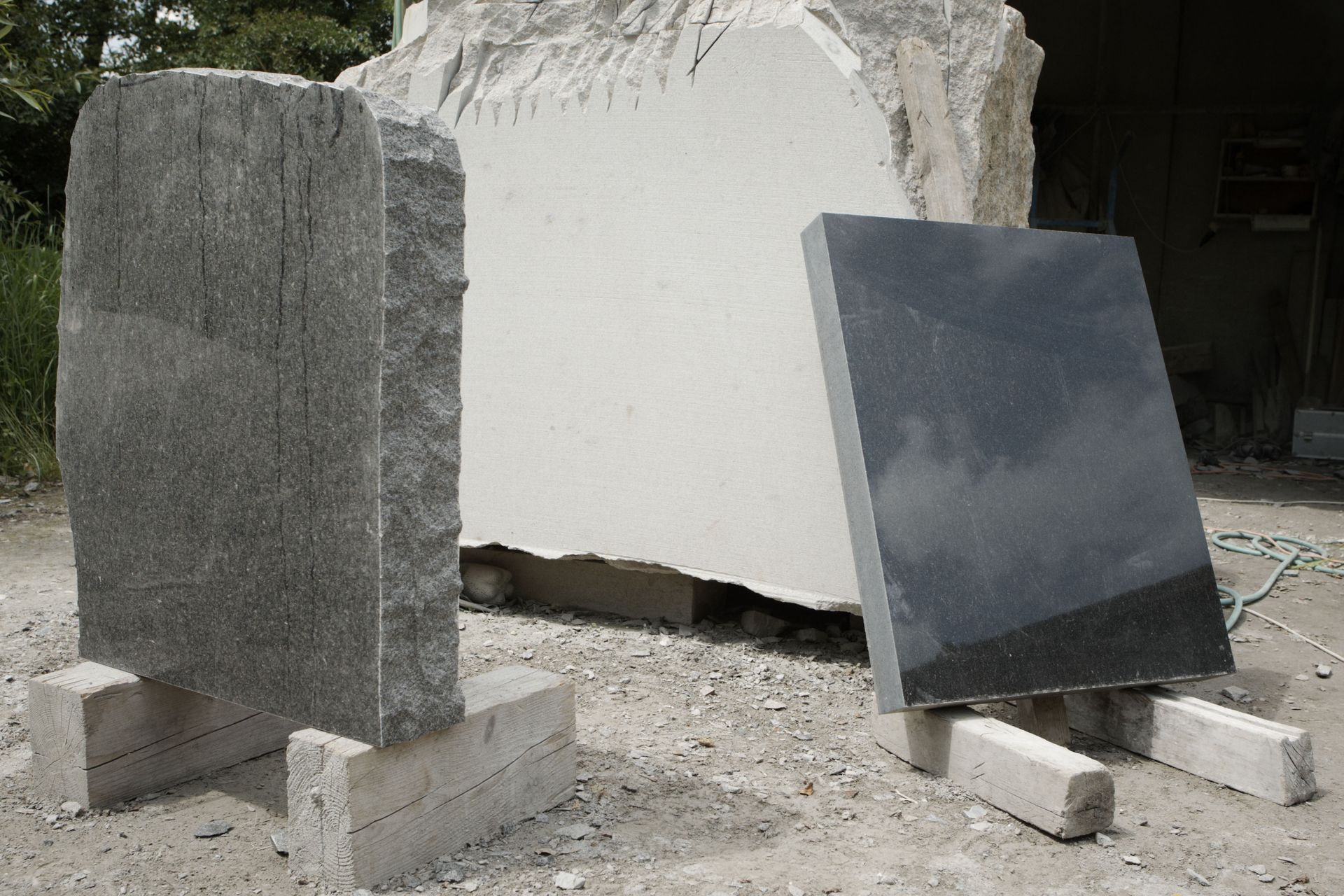
The selection of stone is the most fundamental decision when planning for memorial gravestones because the material dictates how the monument will withstand the elements over decades. Granite is the most frequent choice due to its incredible hardness and resistance to acid rain or extreme temperature shifts. This natural stone comes in a vast spectrum of colors and grain patterns, allowing for a high degree of customization while maintaining structural integrity. Choosing a high-quality grade of granite ensures that the inscriptions remain legible and the polished surfaces stay vibrant even after a century of exposure to the sun and wind.
Marble remains a classic alternative for those seeking a softer and more ethereal aesthetic for memorial gravestones. While marble is prized for its beautiful veining and historical associations with fine sculpture, it is a metamorphic rock that is more porous than granite. Over a long period, marble may show signs of weathering or erosion, which some families appreciate as a natural aging process. Understanding the mineral composition of different stones helps in predicting how the monument will look in the distant future. It is vital to discuss the geological properties of your chosen material to ensure it aligns with your expectations for permanence.
2. Which Cemetery Regulations Influence the Design?
Every cemetery operates under a specific set of bylaws that govern the size, shape, and placement of memorial gravestones within its grounds. These rules are often designed to maintain a uniform appearance or to ensure that the maintenance equipment can easily navigate between the plots. Some memorial parks only allow flat markers that sit flush with the grass to create a park-like atmosphere, while traditional churchyards might permit upright monuments of varying heights. Before finalizing any artistic plans, it is necessary to confirm the exact dimensions permitted by the specific section where the burial has occurred.
Beyond physical dimensions, cemeteries frequently have requirements regarding the types of finishes and the inclusion of specific features like flower vases or ceramic portraits. Certain religious or historical cemeteries may mandate specific symbols or restrict the use of unconventional colors to preserve a cohesive aesthetic environment. According to the National Funeral Directors Association's 2025 Cremation & Burial Report, even as the U.S. cremation rate climbs to a projected 63.4% in 2025, families continue to seek a permanent, visitable memorial — with preferences ranging from cemetery burial of cremated remains to markers in cremation gardens and columbarium niches. Checking these regulations early in the planning stage prevents the frustration of designing a tribute that the cemetery staff will not permit for installation.
3. How Can Personalization Reflect a Life Story?
Modern technology has expanded how memorial gravestones can be customized to tell a unique biographical story. Laser etching allows for incredibly detailed portraits and scenes to be engraved directly into dark granites with photographic precision. Families often choose to include depictions of favorite landscapes, beloved pets, or professional symbols that represent the passions of the individual. This level of detail transforms a standard marker into a bespoke work of art that captures the essence of a personality rather than just recording dates and names.
Traditional sandblasting and hand carving also offer beautiful ways to incorporate meaningful symbols and deep, architectural lettering. The choice of font and the depth of the carving can drastically alter the visual impact of the monument, from bold and modern to elegant and classical. Epitaphs and short verses provide a voice to the memorial, offering a final message of love or a reflection of the faith held by the deceased. By working closely with a designer, you can balance these decorative elements to create a harmonious composition that feels authentic to the person being honored.
4. What Maintenance Requirements Ensure Lasting Beauty?
While stone is inherently durable, all memorial gravestones benefit from periodic care to remove biological growth and environmental debris. Lichen, moss, and algae can take hold on the surface of the stone, especially in shaded or damp areas of a cemetery. Understanding the proper cleaning techniques is crucial because using harsh chemicals or abrasive tools can cause irreparable damage to the finish. Most professionals recommend using only clean water and soft brushes to maintain the natural luster of the granite or marble without compromising the delicate details of the engraving.
Environmental factors such as hard water from irrigation systems or sap from overhanging trees can also create staining over time. It is helpful to ask about protective treatments or specific cleaning products that are safe for use on monumental masonry. Regular inspections allow families to catch minor issues, such as the settling of the foundation, before they become significant structural problems. Proper installation on a solid concrete base is the first step in maintenance, ensuring the stone remains level and stable despite the natural shifting of the earth.
5. Why Is Professional Installation a Critical Step?
The physical installation of memorial gravestones is a complex process that requires specialized equipment and a deep understanding of soil mechanics. A monument that is not properly set can lean or sink over time, which puts stress on the stone and may eventually lead to cracking. Professional installers use heavy-duty cranes and leveling tools to ensure that the base is perfectly horizontal and the upright portions are securely anchored. This technical precision is what allows a heavy granite structure to stand tall and straight for many generations.
In addition to the physical labor, professional installers handle the logistical coordination with cemetery management. They ensure that all permits are filed and that the installation happens during appropriate weather conditions to prevent damage to the surrounding landscape. By relying on experienced technicians, you gain the peace of mind that the tribute is handled with the respect and care it deserves. A secure installation is the final guarantee that the artistic vision you have created will remain a steadfast landmark in the cemetery.
Creating a lasting tribute is a significant responsibility that honors the past while providing a focal point for future remembrance. The choices made regarding materials, design, and placement will define how a loved one is remembered by those who visit the site in the years to come. By considering the durability of the stone and the specific requirements of the cemetery, you can build a foundation for a beautiful and enduring memorial.
As you move forward with these important questions, remember that you do not have to navigate this journey alone. Professional guidance is available to help translate your memories into a physical form that stands the test of time. Whether you are looking for a simple marker or an elaborate monument, the expertise of dedicated craftsmen can ensure every detail is handled with precision. For personalized assistance and expert craftsmanship in creating memorial gravestones, please reach out to the compassionate team at Schneider Monument.


Share On: